



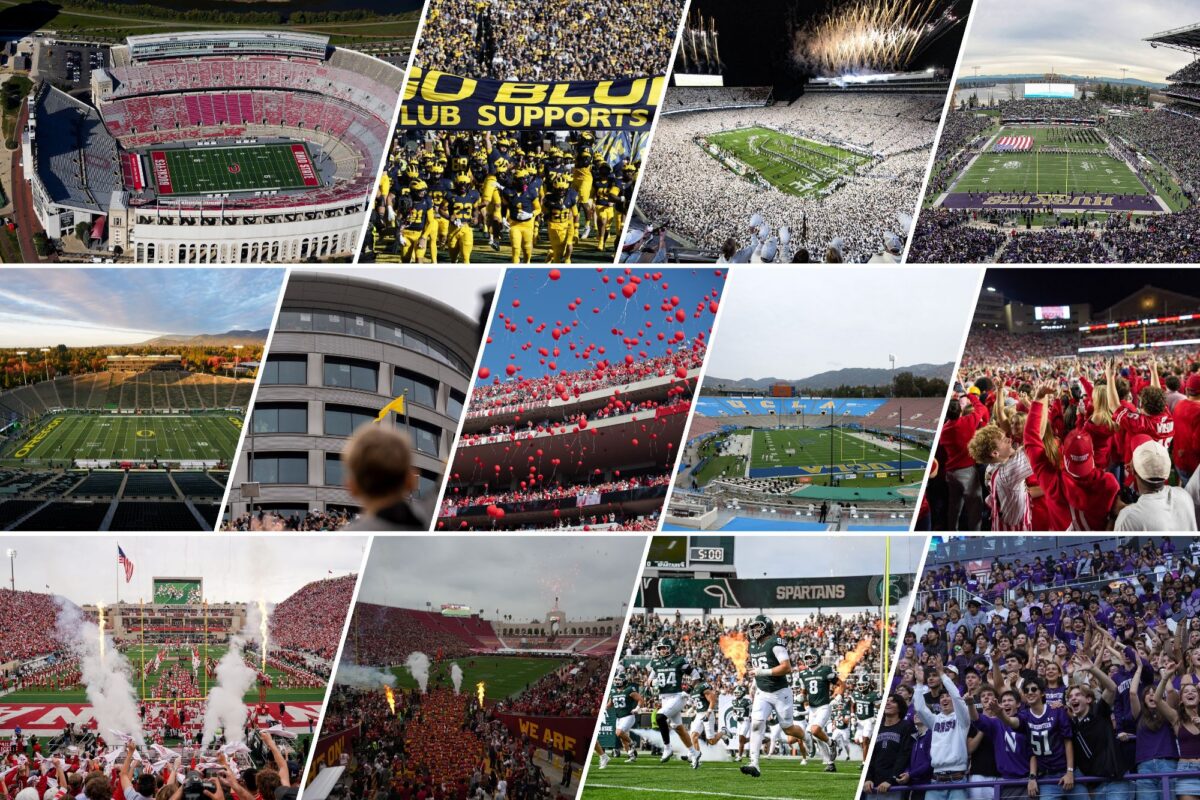
The Big Ten offers one of the most diverse collections of game-day experiences in college football. From the historic stadiums of the Midwest to the Pacific Northwest and Southern California, the conference stretches across the country while bringing together some of the sport’s most recognizable traditions and passionate fan bases.
Some Saturdays are defined by massive crowds and deafening noise. Others feature iconic pregame rituals, marching bands, historic rivalries or stadium settings that make the trip worthwhile before kickoff.
What they all share is a sense of tradition that makes Big Ten football special.
Our ranking of the 50 college football stadiums every fan should visit at least once included 13 from the Big Ten.
Editor's Picks
Here is why each one belongs on the short list for your next road trip, including its overall ranking among the Top 50.
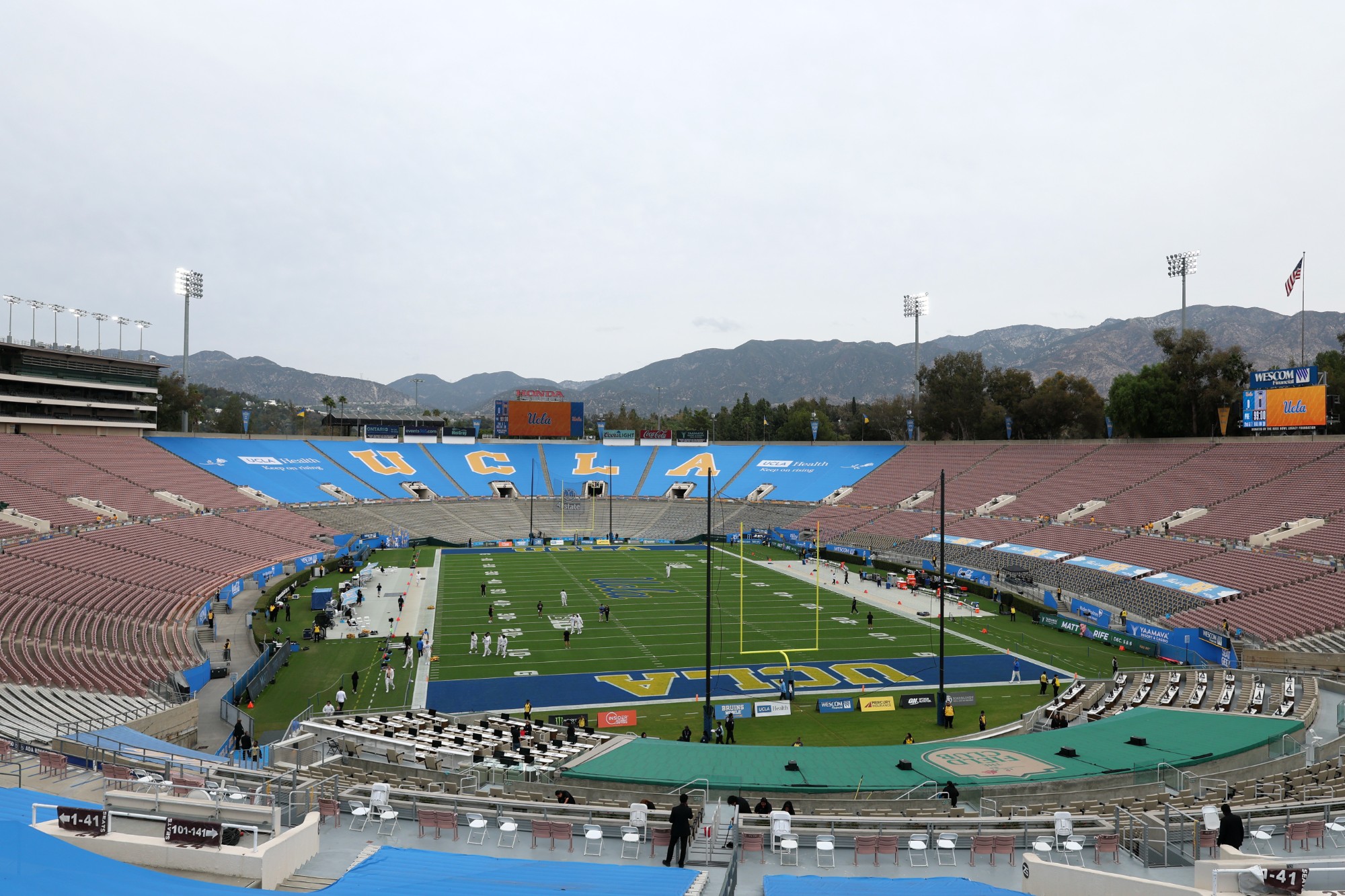
No. 2: UCLA — Rose Bowl
Few stadiums offer a setting like the Rose Bowl.
Nestled in Pasadena’s Arroyo Seco with the San Gabriel Mountains in the distance, UCLA’s home venue is one of college football’s most recognizable landmarks.
Opened in 1922, the stadium has hosted generations of memorable games, including some of the sport’s biggest postseason moments (not to mention five Super Bowls).
With its historic architecture, Southern California sunshine and picturesque surroundings, a trip to the Rose Bowl belongs on every college football fan’s bucket list.
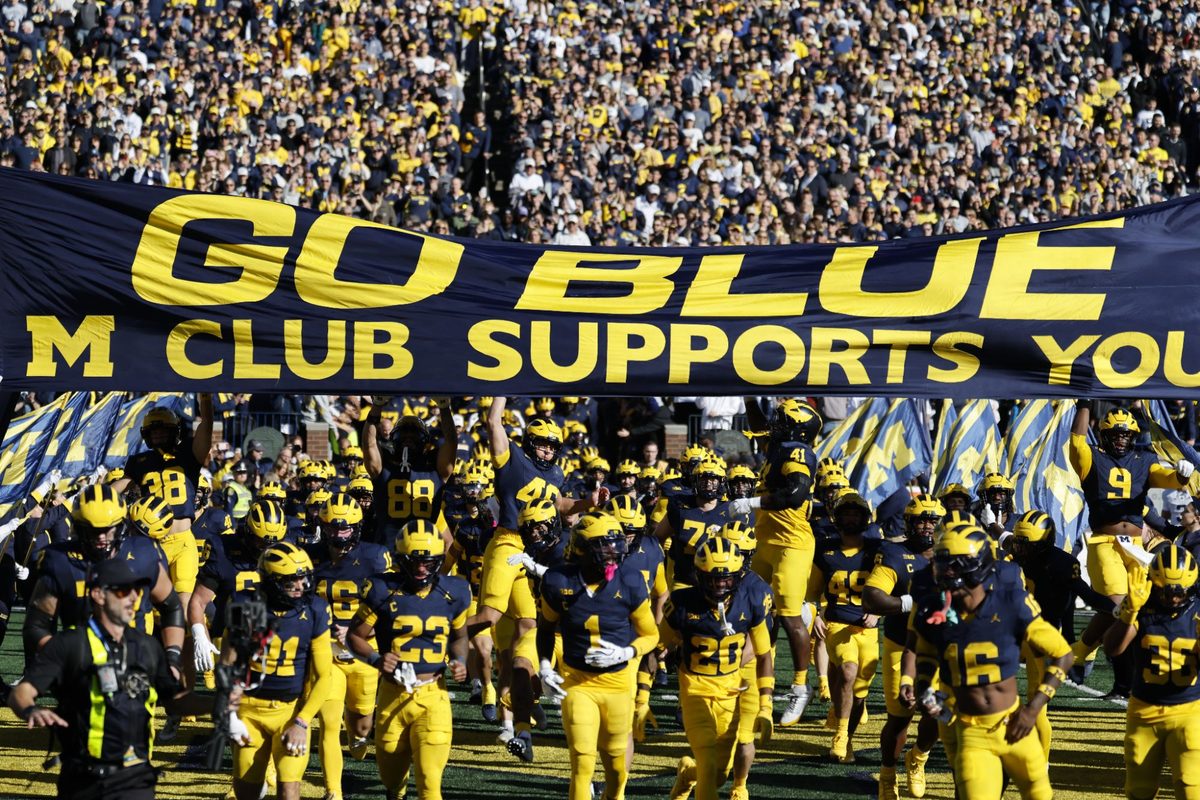
No. 4: Michigan — Michigan Stadium
There’s nothing like walking into the Big House and seeing more than 100,000 fans packed into one of college football’s most iconic venues.
Opened in 1927, Michigan Stadium has a listed capacity of 107,601 and has drawn crowds exceeding 115,000.
The home of the Wolverines combines a century of tradition with the scale and pageantry of one of the sport’s most storied programs.
Whether it’s a rivalry showdown or a crisp fall afternoon in Ann Arbor, experiencing the Big House in person is something every college football fan should do at least once.
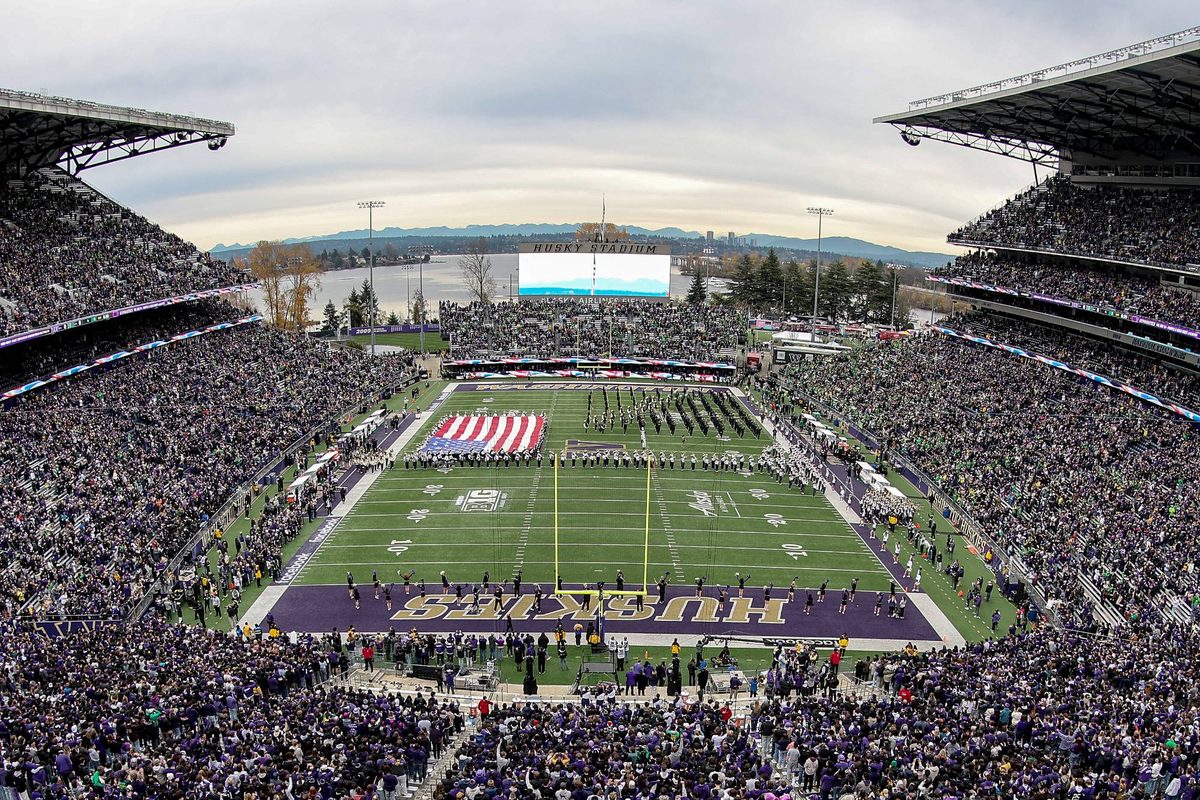
No. 6: Washington — Husky Stadium
The setting alone makes Husky Stadium worth the trip.
Overlooking Lake Washington with the Cascade Mountains and Seattle skyline in the distance, Washington’s home venue has one of the most spectacular backdrops in college football.
Opened in 1920, Husky Stadium seats 72,132 fans and is known for its distinctive cantilevered roof, which helps amplify the noise inside.
Add in the tradition of sailgating on Lake Washington before kickoff, and a Saturday in Seattle becomes a game-day experience unlike any other.
No. 7: Penn State — Beaver Stadium
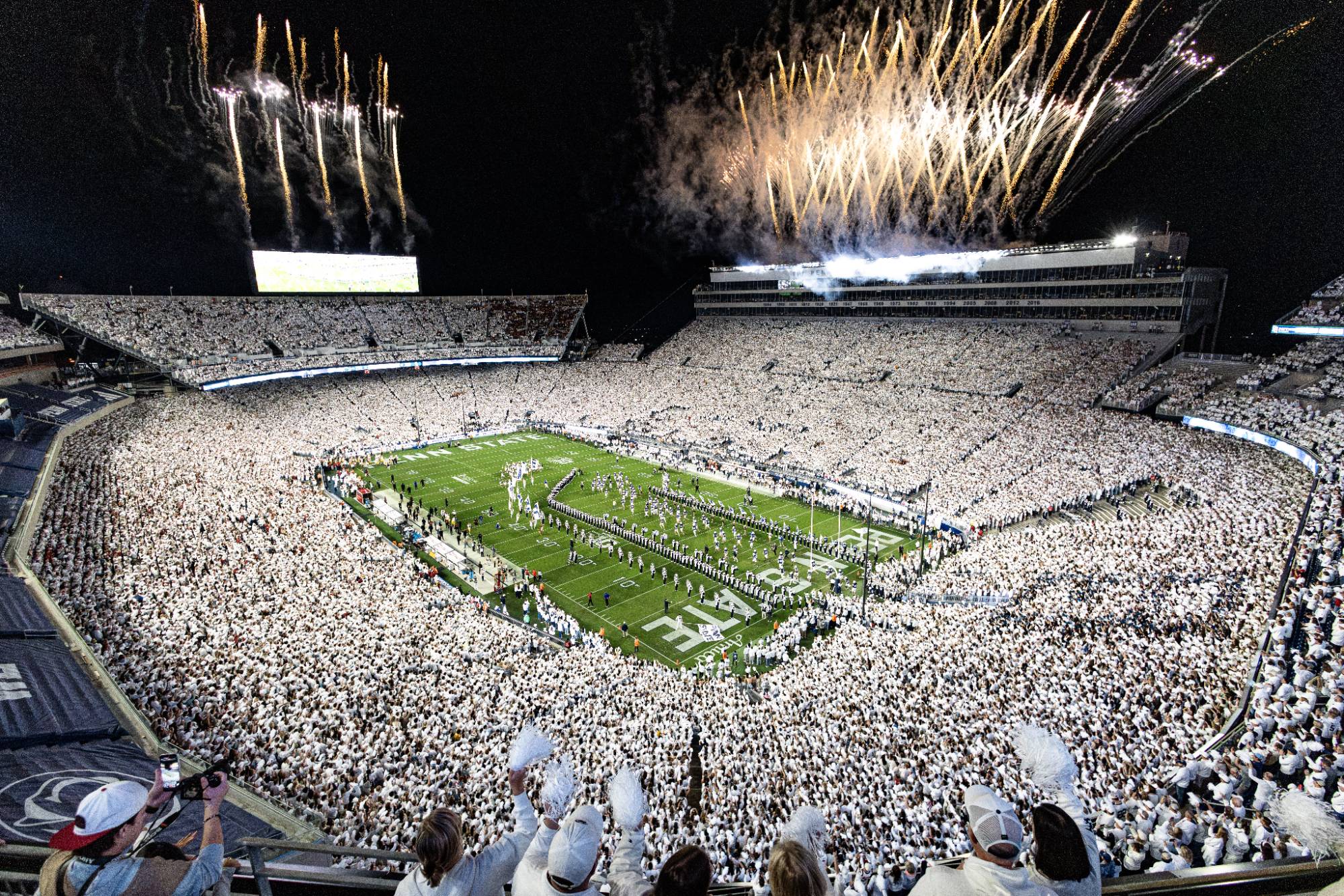
Few experiences in college football can match a White Out at Beaver Stadium.
When more than 100,000 fans dress in white and the Nittany Lions take the field, the atmosphere becomes one of the sport’s defining spectacles.
Opened in 1960, Beaver Stadium has a listed capacity of 106,572 and a history of drawing some of the largest crowds in college football.
From the pregame energy in Happy Valley to the roar that follows every big play, this is a destination every fan should experience. Here’s more on the story behind Penn State’s famous White Out.
No. 8: Ohio State — Ohio Stadium
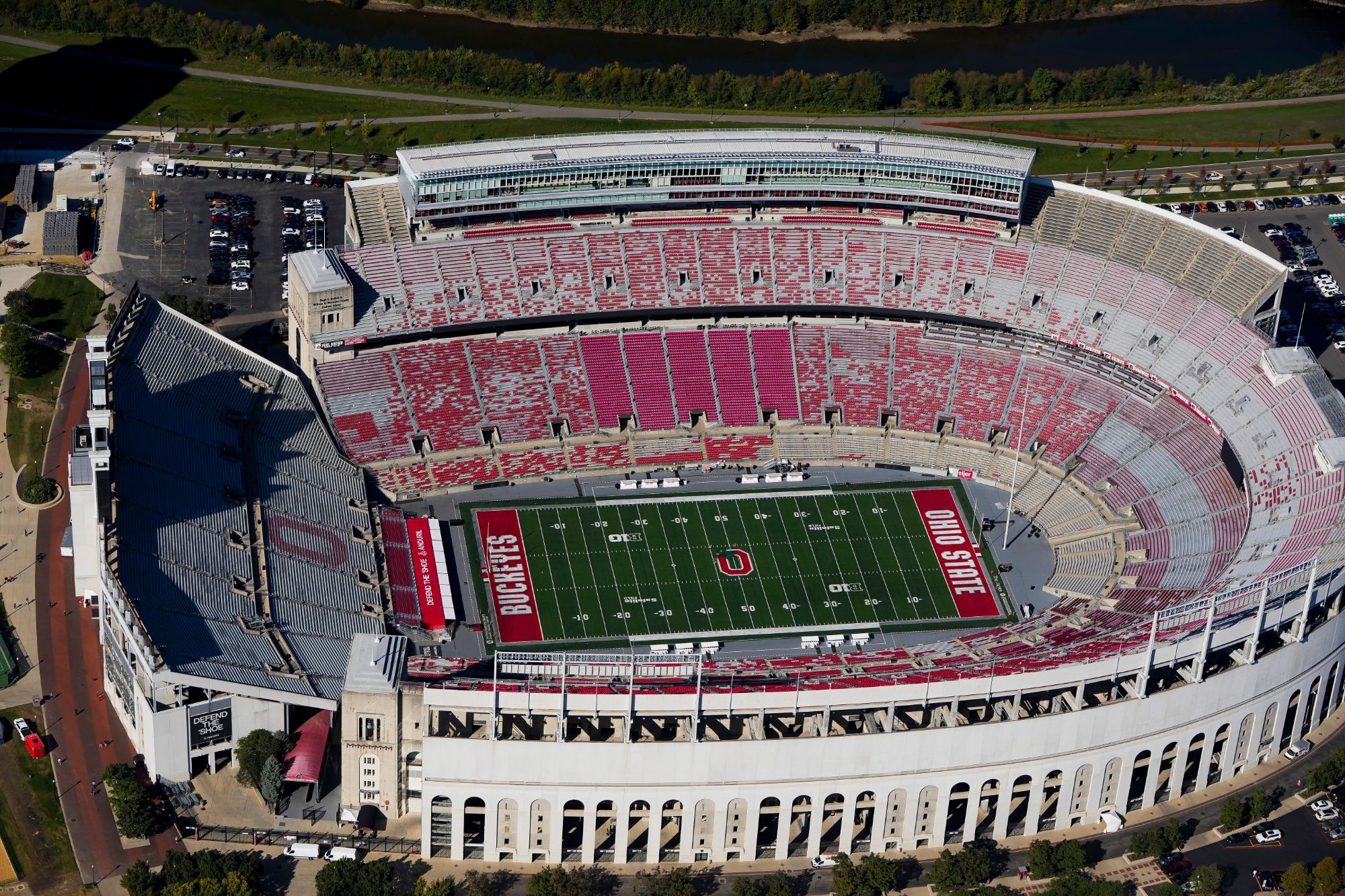
The Horseshoe is one of college football’s most recognizable venues, and a Saturday in Columbus delivers the kind of atmosphere that has made Ohio State a national powerhouse for generations.
Opened in 1922, Ohio Stadium holds 102,041 fans and is home to one of the sport’s most celebrated marching band traditions: Script Ohio.
Watching the Buckeye faithful fill the stadium, hearing the band perform and seeing a sousaphone player dot the “i” are all part of the experience.
It’s a college football tradition worth making the trip for.
No. 11: Oregon — Autzen Stadium
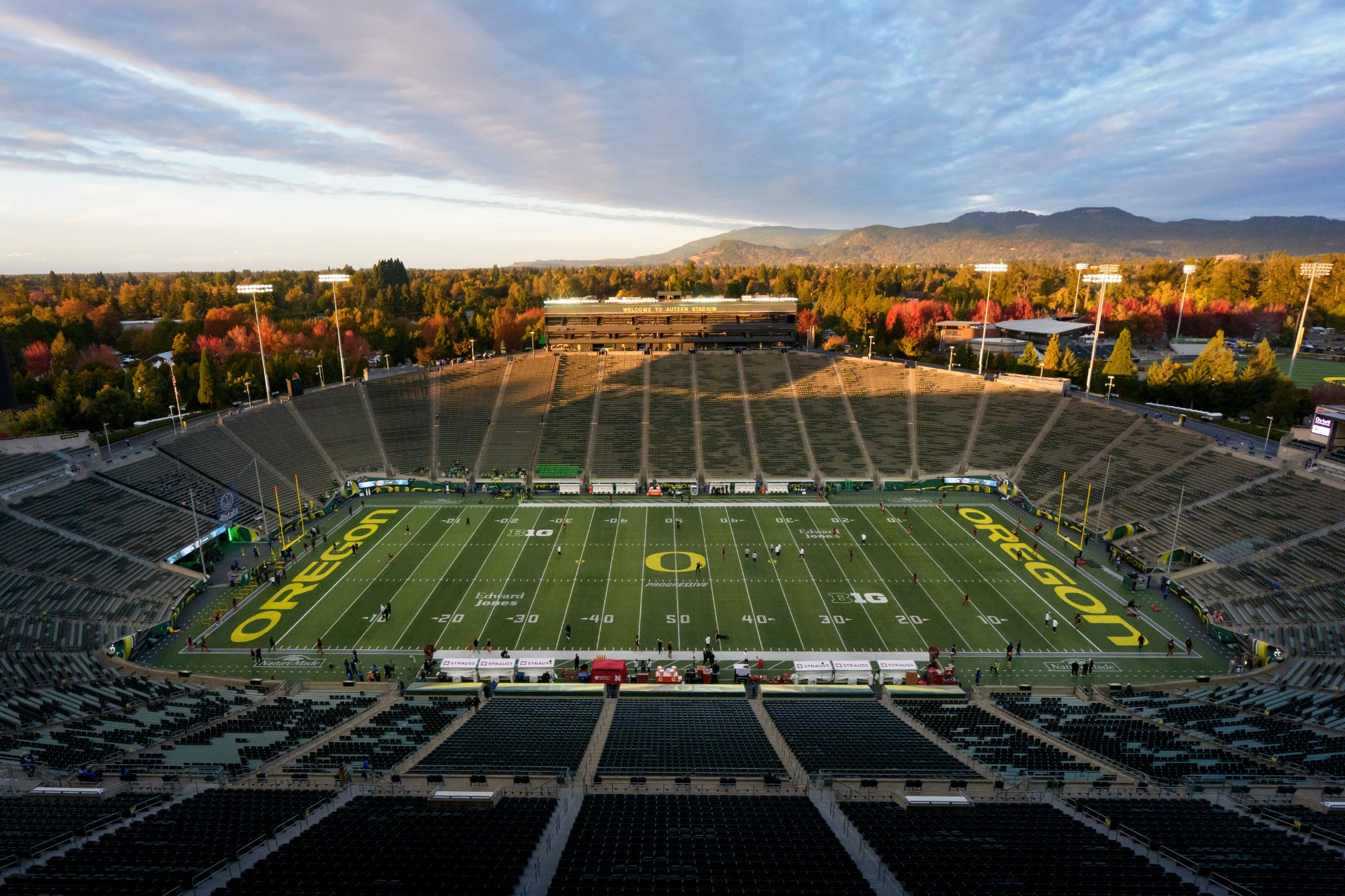
Autzen Stadium proves that a college football venue doesn’t need to hold 100,000 fans to create an intimidating atmosphere.
With a capacity of 54,000, Oregon’s home stadium is known for its deafening noise, passionate fans and distinctive Pacific Northwest setting.
Opened in 1967, Autzen Stadium has become one of the toughest road environments in the country.
The combination of the stadium’s intimate design, Oregon’s high-energy fan base and the program’s modern football identity makes a trip to Eugene well worth the effort.
No. 12: Wisconsin — Camp Randall Stadium
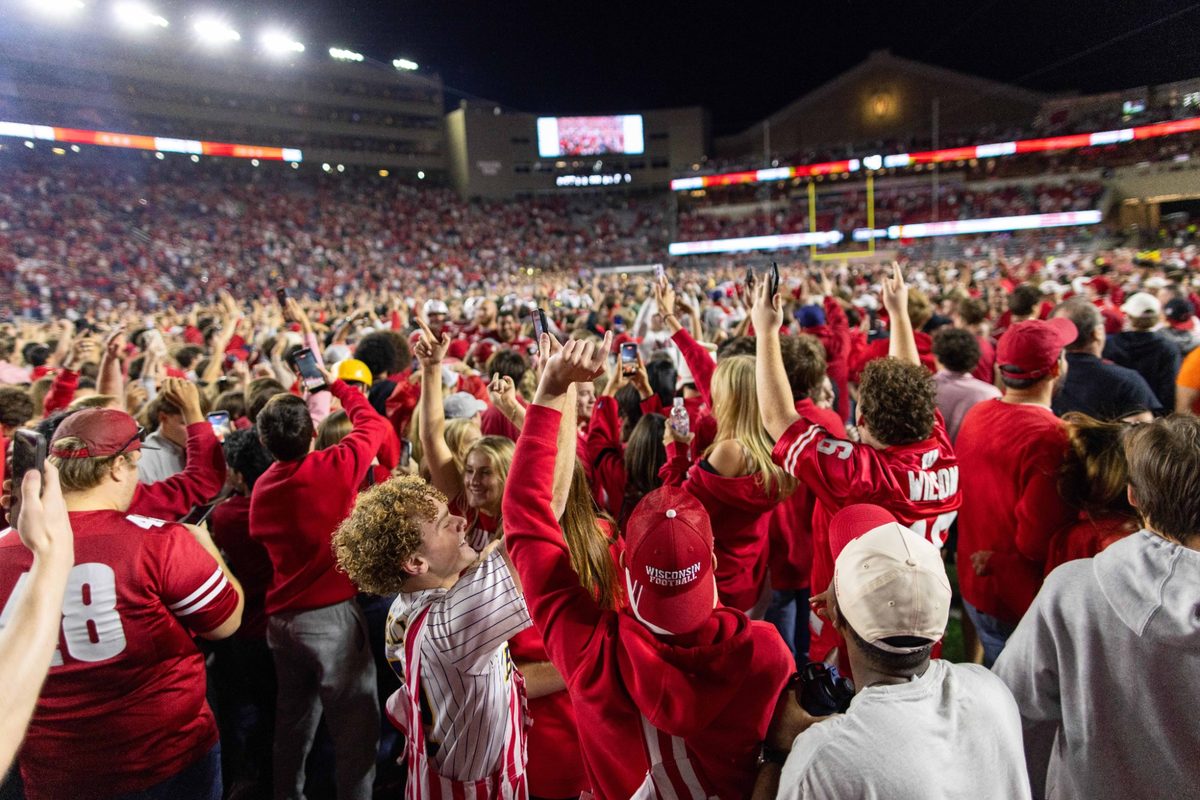
The Camp Randall experience begins with spirited tailgating and continues with the roar of the student section, the band’s traditional Fifth Quarter and the stadium-shaking “Jump Around” celebration between the third and fourth quarters.
Opened in 1917, Camp Randall Stadium seats 76,030 fans and remains one of the Big Ten’s most recognizable venues.
Whether you’re there for a rivalry game or simply to experience the traditions, a fall Saturday in Madison is tough to beat.
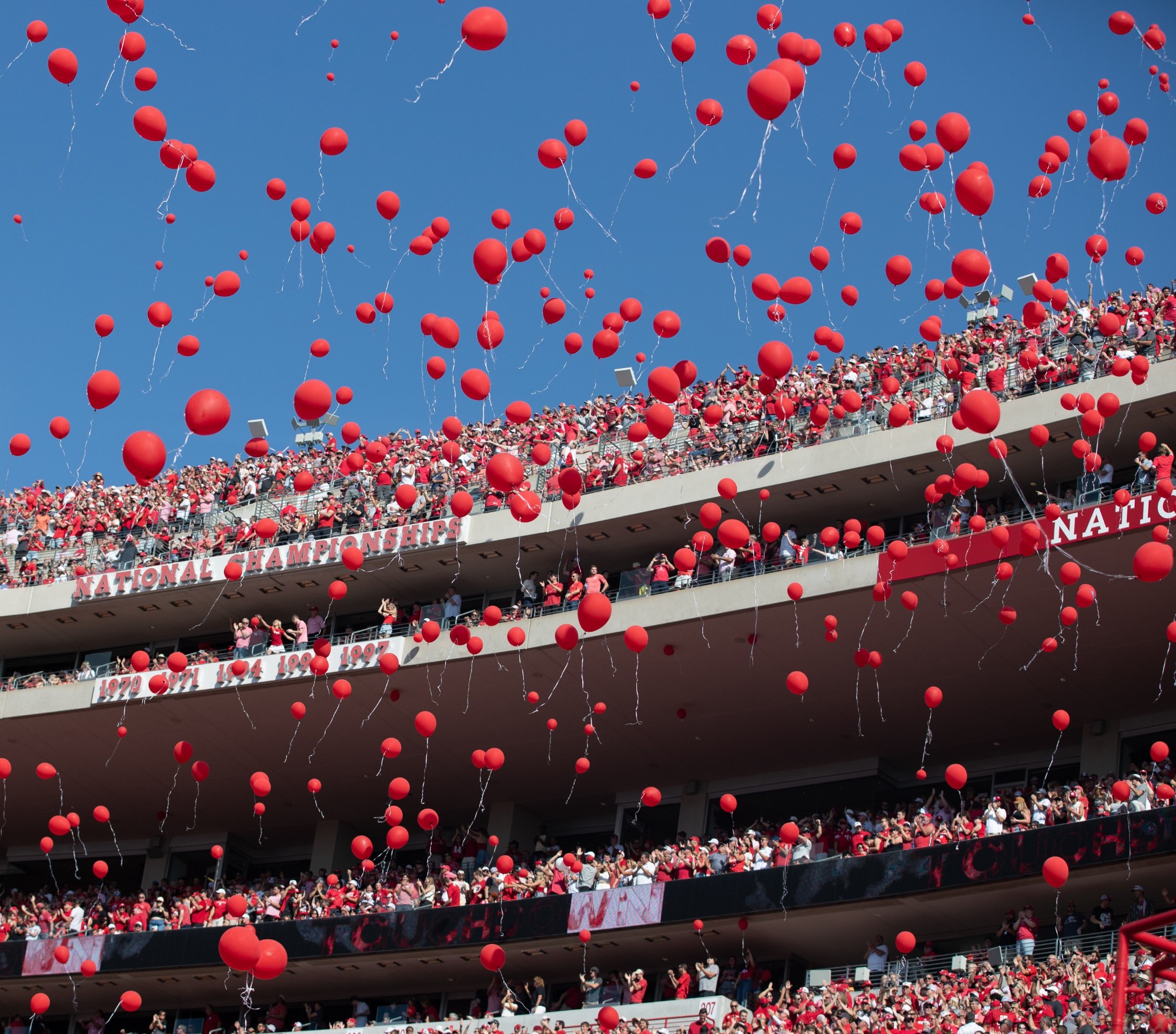
No. 18: Nebraska — Memorial Stadium
In Lincoln, the Sea of Red is more than a nickname. Nebraska fans have sold out every home game since 1962, creating one of the most remarkable attendance streaks in college sports.
Opened in 1923, Memorial Stadium has a capacity of more than 85,000 and remains one of the most recognizable venues in college football.
The Tunnel Walk, the Blackshirts tradition and a fan base known for its loyalty make a trip to Lincoln special, even before the first snap.
Few places capture the connection between a football program and its community like this one.
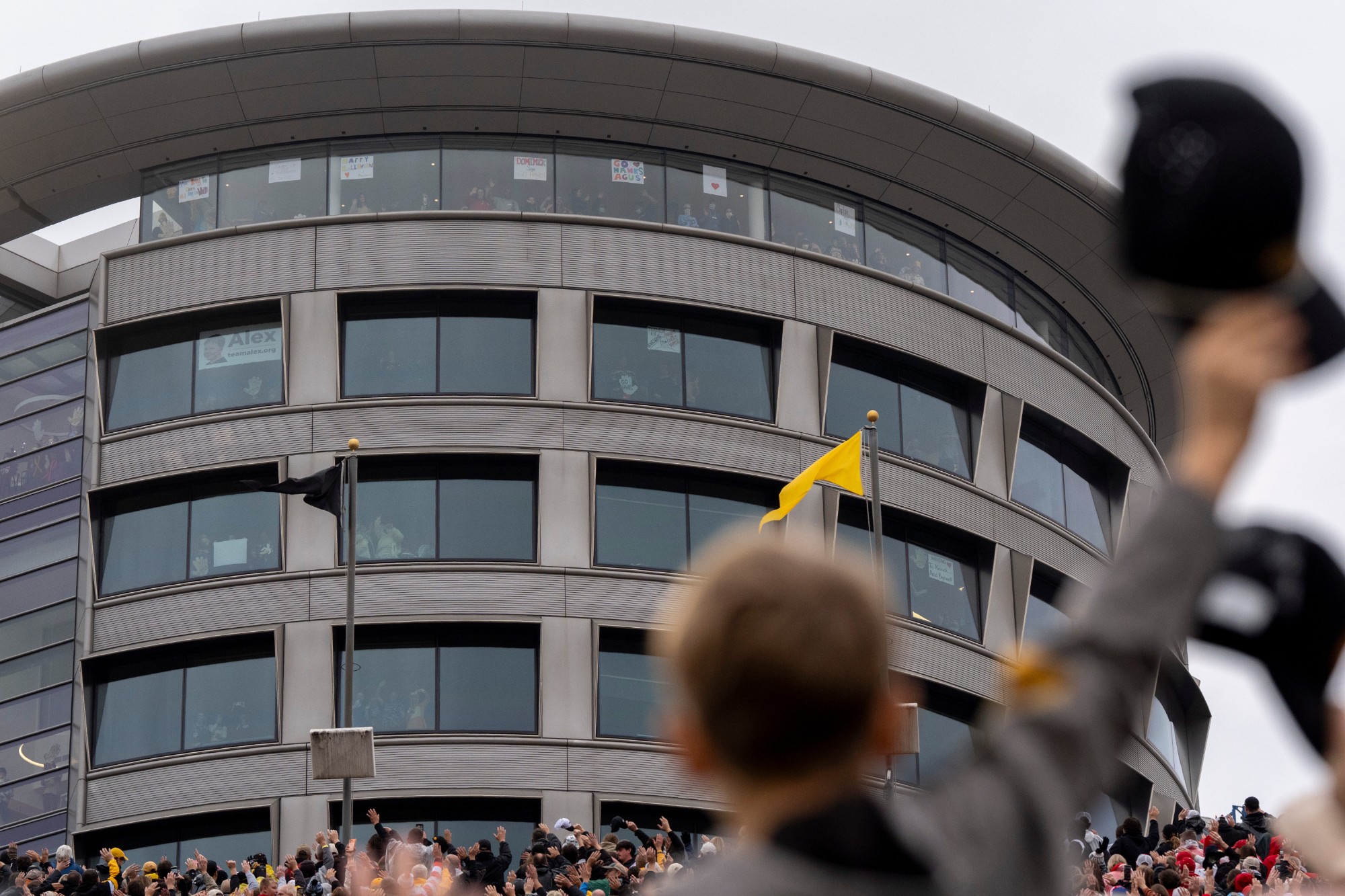
No. 22: Iowa — Kinnick Stadium
Some college football traditions are about noise and spectacle. Iowa’s most memorable game-day moment is about something much more meaningful.
At the end of the first quarter, fans inside Kinnick Stadium turn toward the nearby University of Iowa Stead Family Children’s Hospital and wave to the young patients watching from its windows.
The Hawkeye Wave has become one of the sport’s most heartwarming traditions and a reminder of what makes college athletics special beyond the scoreboard.
Opened in 1929, Kinnick seats 69,250 fans and offers an intimate atmosphere that makes the experience even more memorable.
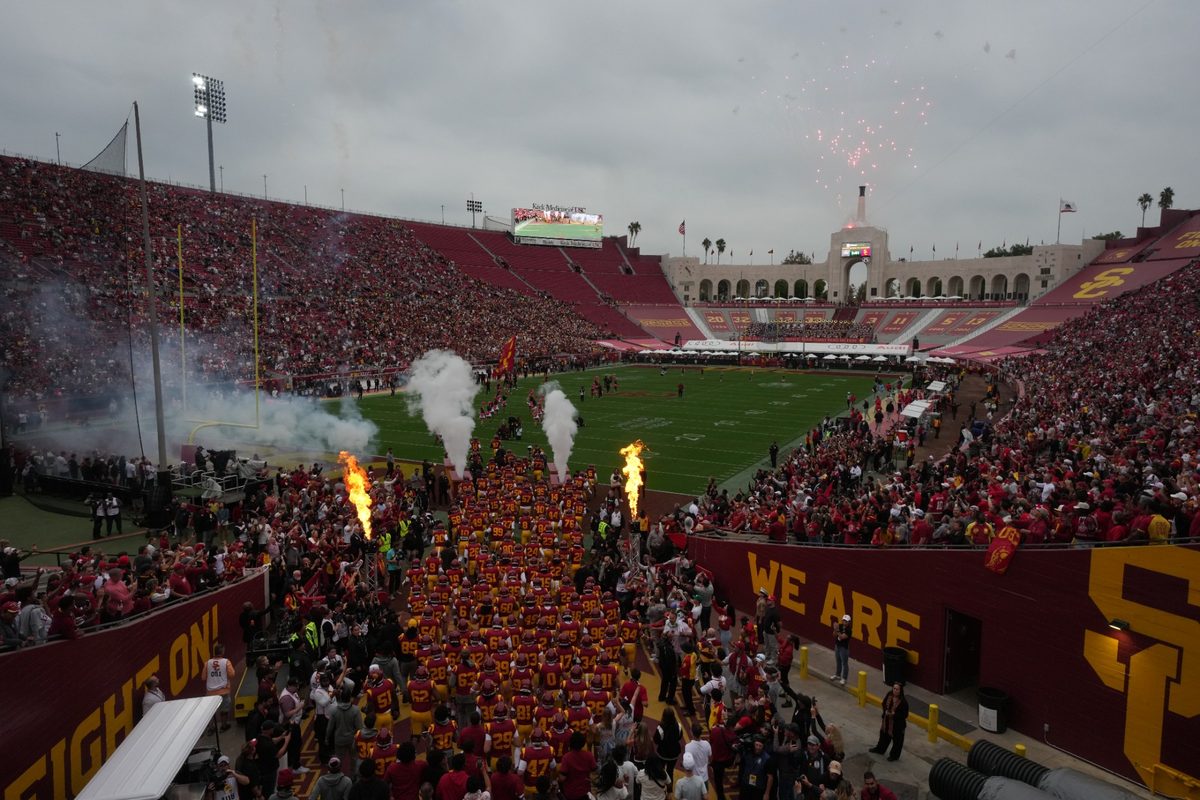
No. 28: USC — Los Angeles Memorial Coliseum
Few stadiums carry the history of the Coliseum.
Opened in 1923, the iconic venue has hosted generations of USC football greats, two Olympic Games and some of the sport’s most memorable matchups.
With a capacity of 77,500, the Coliseum remains one of college football’s most recognizable landmarks. The atmosphere gets another lift from Traveler, USC’s white horse mascot, who circles the field as the band plays “Conquest.”
For a combination of history, pageantry and big-time college football, it’s hard to find a better destination.
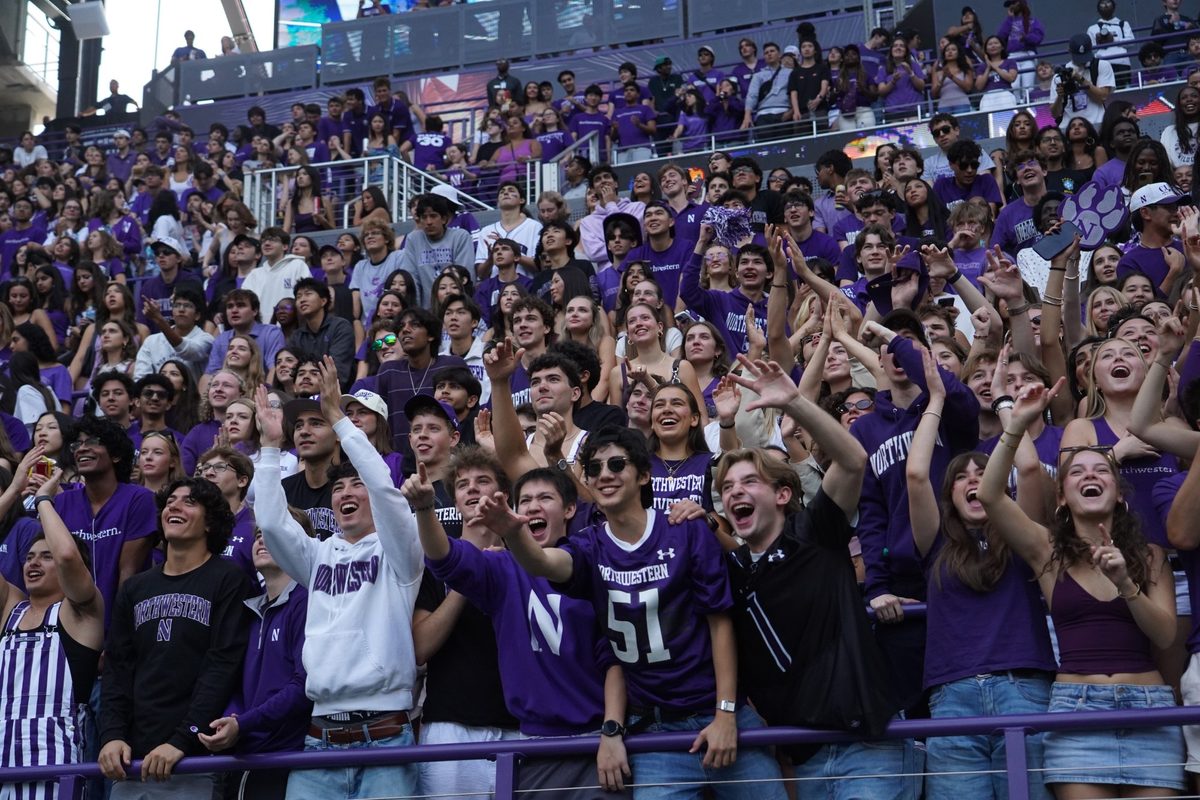
No. 33: Northwestern — Ryan Field
Northwestern offers a different Big Ten experience.
Rather than the enormous crowds found at some of the conference’s traditional powerhouses, the new Ryan Field delivers a more intimate setting designed to bring fans closer to the action.
Opened in October 2026, the 35,000-seat stadium features covered seating and premium sightlines throughout, giving Evanston a fresh game-day destination.
Its location near Lake Michigan and the university’s picturesque campus make it an appealing stop for fans looking to experience another side of Big Ten football.
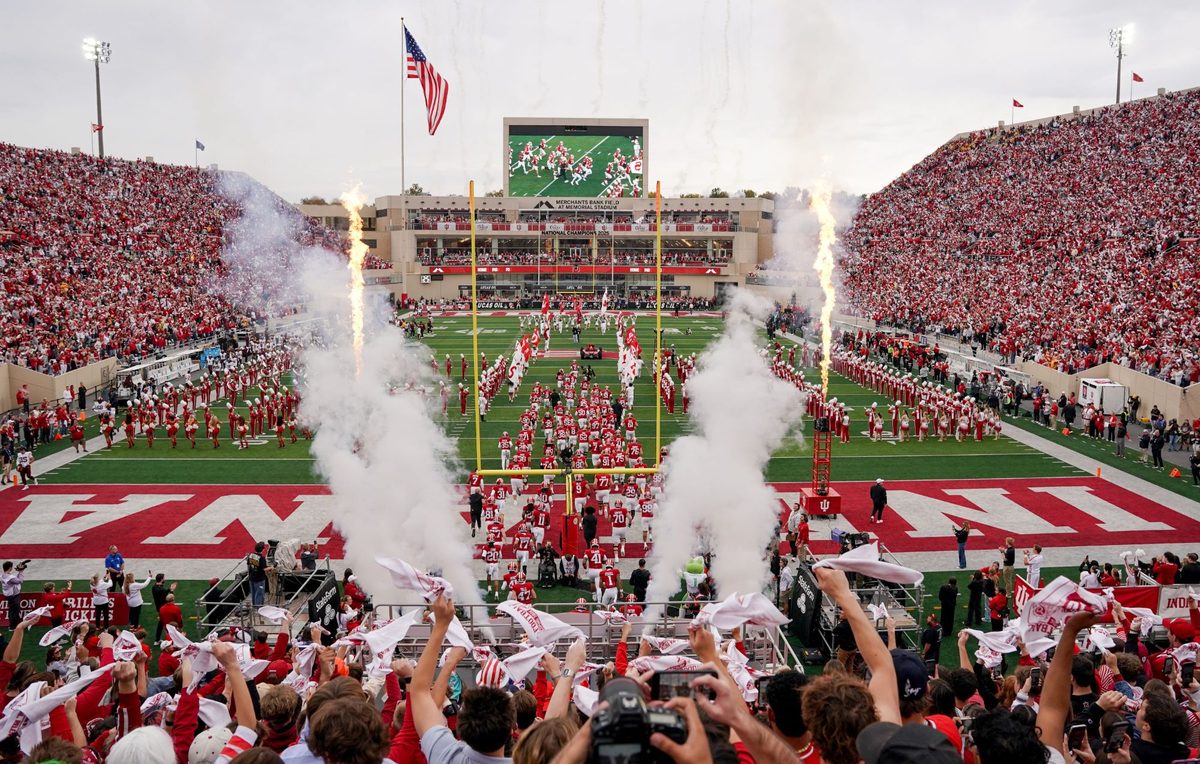
No. 38: Indiana — Memorial Stadium
Indiana’s recent football resurgence has given fans plenty of reasons to make the trip to Bloomington, but Memorial Stadium has long offered a distinctive game-day experience.
Opened in 1960, the 52,929-seat venue features a horseshoe-shaped seating bowl and the historic mast of the USS Indiana, a World War II battleship, as a prominent reminder of the school’s military history.
With renewed excitement surrounding the Hoosiers, there’s never been a better time to experience a Saturday in Bloomington.
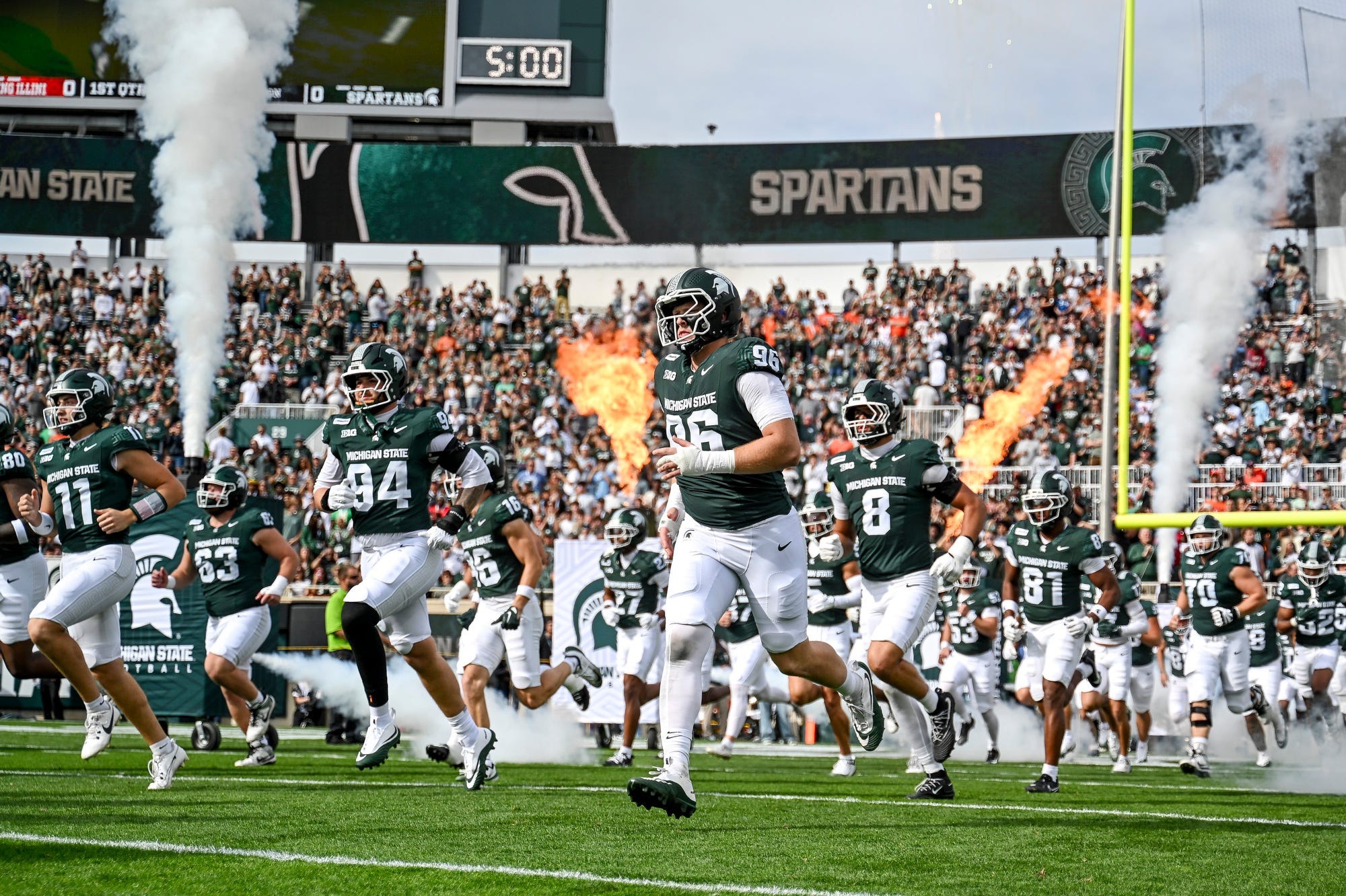
No. 42: Michigan State — Spartan Stadium
The banks of the Red Cedar provide the backdrop for one of the Big Ten’s most recognizable college football experiences.
Spartan Stadium has been home to Michigan State football since 1923, combining a rich history with the energy of the Green and White faithful.
The Spartan Marching Band adds to the atmosphere with its pregame performances and familiar sounds throughout the afternoon.
With room for nearly 75,000 fans, the stadium delivers a traditional college football Saturday in East Lansing that belongs on any fan’s bucket list.
Different stadiums, unforgettable Saturdays
Thirteen stadiums, 13 different experiences.
You can take in the mountain views surrounding the Rose Bowl, join the Sea of Red in Lincoln, experience a Penn State White Out or jump along with thousands of Wisconsin fans at Camp Randall.
From the historic venues of the Midwest to the Pacific Coast, the Big Ten offers plenty of reasons to plan a college football road trip.
The stadiums may look different, but the traditions, rivalries and passion connecting them are what make this conference special.
Every campus. Every tradition. Every fan. Sign up for the Student Section Newsletter
READ MORE: These 8 Big Ten college towns rank among the best for an epic football weekend
READ MORE: Ultimate road trip for Big Ten football fans: Five stadiums, 5 cities, 5 weekends
READ MORE: Horses, Harleys and history: Six Big Ten entrances among best in college football
READ MORE: Six Big Ten college football traditions make the top 25. Here’s where they rank
READ MORE: The top pizza spots to hit near every Big Ten school
Mike Garbett is a content specialist working with McClatchy’s Content Innovation Lab.
This report was produced with the assistance of a proprietary tool powered by artificial intelligence and using our own originally reported, written and published content. It was reviewed and edited by our journalists.