

Women’s college basketball has a hierarchy all its own.
At the top sit two programs that have defined the sport for decades: UConn and Tennessee.
But with South Carolina building a modern dynasty, Stanford boasting a championship pedigree and other programs adding to their trophy cases, the question is becoming more interesting: Is anyone closing the gap on the sport’s two blue bloods?
The answer starts with what it means to be a blue blood. Winning a national championship can put a program on the map, but building a legacy that spans generations is a different challenge.
It takes sustained success, iconic coaches, legendary players and the ability to remain relevant as the game changes around you.
By that standard, UConn and Tennessee stand alone at the top.
Behind them, though, the conversation gets much more interesting.
Which programs have done enough to earn a place among the sport’s elite and which are building the kind of résumé that could get them there next?
Let’s break it down.
Blue bloods
Women’s college basketball’s gold standard.
These are the programs with the strongest combination of championship history, sustained excellence and lasting influence on the sport.
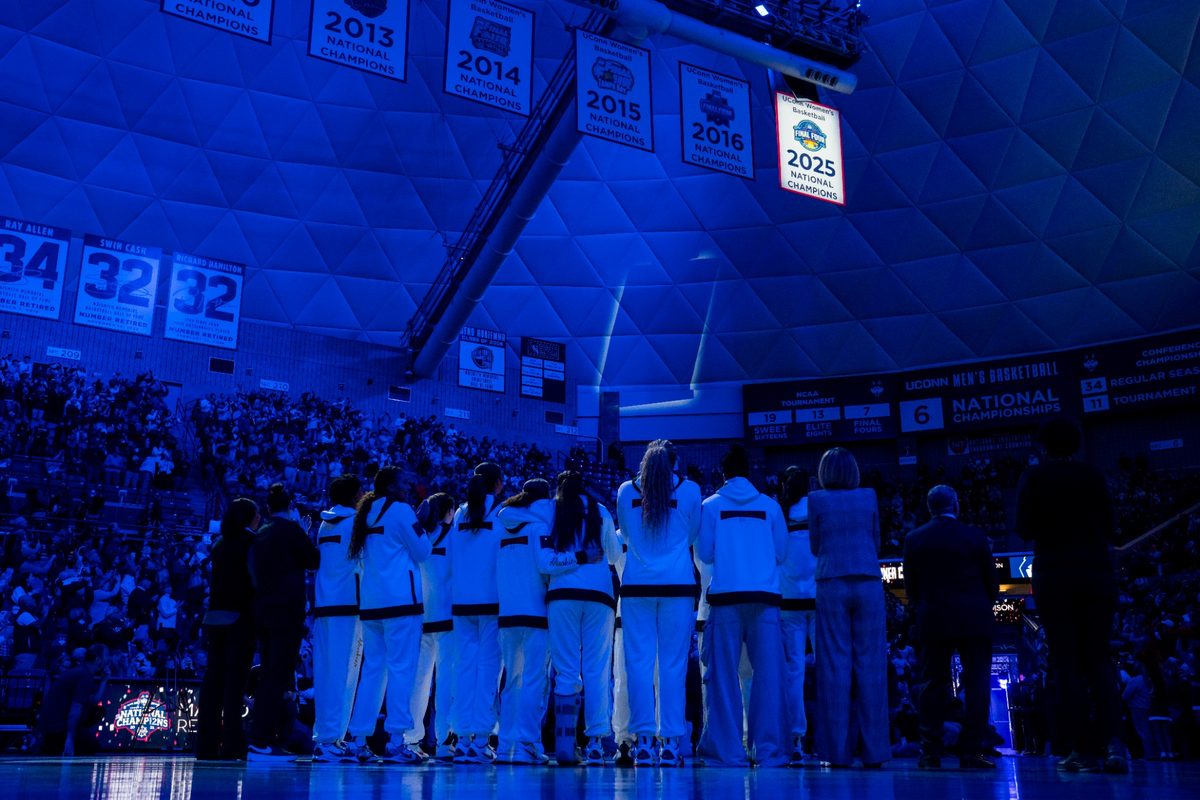
UConn (12 titles)
Championship seasons: 1995, 2000, 2002, 2003, 2004, 2009, 2010, 2013, 2014, 2015, 2016, 2025
The legacy: Under coach Geno Auriemma, the Huskies have become the sport’s defining dynasty, producing record-breaking winning streaks, generations of All-Americans and six undefeated national championship seasons.
Their four consecutive titles from 2013 through 2016 were an extraordinary demonstration of sustained dominance.
UConn’s success has extended across decades, with stars such as Rebecca Lobo, Sue Bird, Diana Taurasi, Maya Moore, Breanna Stewart and Paige Bueckers helping define different eras.
The program has remained a championship contender through changing rosters and an increasingly competitive national landscape.
The Huskies aren’t simply a blue blood. They’re the benchmark against which every other program is measured.

Tennessee (8 titles)
Championship seasons: 1987, 1989, 1991, 1996, 1997, 1998, 2007, 2008
The legacy: Before UConn became the dominant force it is today, Tennessee helped establish the blueprint for a women’s basketball powerhouse.
Under the legendary Pat Summitt, the Lady Vols won eight national titles across three decades, built one of the sport’s most recognizable brands and helped bring it into the national spotlight.
Their three consecutive championships from 1996 through 1998 cemented their place among the game’s greatest dynasties.
Led by generational stars such as Tamika Catchings, Chamique Holdsclaw and Candace Parker, Summitt’s teams established a culture of toughness, discipline and sustained success.
The Lady Vols have remained a fixture in the NCAA Tournament, including an unmatched run of appearances in every tourney since its inception in 1982.
UConn has the edge in titles, but Tennessee’s history, tradition and influence make it an unquestionable blue blood.
New bloods
The blue bloods have the history, the championships and the staying power.
But women’s basketball has become more competitive, and several programs have made compelling cases for joining the sport’s most exclusive club.
Stanford (3 titles)
Championship seasons: 1990, 1992, 2021
The legacy: Stanford has built one of the most respected programs in the sport. Its résumé includes sustained excellence, 15 Final Four appearances and a tradition of developing elite players, including Nneka Ogwumike, Chiney Ogwumike, Jennifer Azzi and Candice Wiggins.
Tara VanDerveer’s long tenure (38 seasons) gave the program remarkable continuity and made Stanford a perennial national contender.
The combination of championship success, generational talent and nearly four decades of VanDerveer’s leadership makes Stanford one of the strongest programs outside the two established blue bloods.
Baylor (3 titles)
Championship seasons: 2005, 2012, 2019
The legacy: Baylor has repeatedly demonstrated that it can reach the summit of women’s college basketball.
Under Kim Mulkey, the Bears won three national championships, including a perfect 40-0 season in 2012, with 6-foot-9 Brittney Griner leading the way.
That undefeated campaign stands among the greatest seasons in the sport’s history, and Baylor’s championship teams consistently featured elite talent — Griner, Sophia Young-Malcolm, Odyssey Sims, NaLyssa Smith — and championship-level defense.
South Carolina (3 titles)
Championship seasons: 2017, 2022, 2024
The legacy: South Carolina has emerged as one of the defining forces of the modern era under Dawn Staley, who has built a powerhouse program known for elite recruiting, physical defense, championship expectations and remarkable consistency.
Anchored by generational talents such as A’ja Wilson, Aliyah Boston, Kamilla Cardoso, Tiffany Mitchell and Shannon Johnson, the Gamecocks have been to eight Final Fours during Staley’s 18 years in Columbia, including six straight from 2021-26.
South Carolina’s rapid rise makes it feel like a matter of when, not if, the program joins UConn and Tennessee among women’s college basketball’s blue bloods.
The next tier
These programs have the championships and history to enter the conversation, but they still have ground to make up before they can be considered blue bloods.
Notre Dame (2 titles)
Championship seasons: 2001, 2018
Notre Dame became a national power under Muffet McGraw, winning championships in two different eras and making nine Final Four appearances.
The Fighting Irish’s history, sustained competitiveness and generations of top-level talent — Ruth Riley, Skylar Diggins-Smith, Arike Ogunbowale, Hannah Hidalgo — make them one of the strongest programs outside the top tier.
Louisiana Tech (2 titles)
Championship seasons: 1982, 1988
Louisiana Tech deserves special recognition for its role in shaping women’s college basketball.
Led by Pam Kelly-Flowers, the Lady Techsters won the inaugural NCAA crown in 1982 and took a second title six years later, with Teresa Weatherspoon igniting the championship run.
They reached four of the first seven national title games, helping define the sport in its formative years.
The bottom line
Women’s college basketball has two unquestioned blue bloods: UConn and Tennessee. Their championship totals, historical influence and sustained excellence separate them from the rest.
The sport’s hierarchy could welcome new additions if programs such as Stanford, Baylor and South Carolina win more championships.
But the distinction between an elite program and a blue blood remains the same.
Elite programs win championships. Blue bloods build legacies that last for generations.
Every campus. Every tradition. Every fan. Sign up for the Student Section Newsletter
Mike Garbett is a content specialist working with McClatchy’s Content Innovation Lab.